

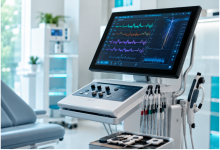
Skin Biopsy Testing for Small Fiber Neuropathy
Specialist testing for suspected small fiber neuropathy, including burning pain, tingling, numbness, altered sensation, and symptoms not explained by nerve conduction studies.
Small Fiber Neuropathy Symptoms Can Be Difficult to Confirm
Small fiber neuropathy may cause persistent sensory symptoms even when routine nerve conduction testing does not show large-fiber nerve damage.
Common symptoms may include:
- Burning pain in the feet
- Tingling or pins-and-needles
- Numbness or reduced sensation
- Sensitivity to light touch
- Changes in temperature sensation
- Electric or stabbing pain
- Symptoms despite normal nerve testing
Persistent burning, tingling, or numbness deserves a closer evaluation.
Skin Biopsy Evaluation Led by a Neuromuscular Specialist
Dr. Samir P. Macwan is ABPN Board Certified in both Neurology and Neuromuscular Medicine. He has practiced Neuromuscular Medicine in the Greater Palm Springs area for 15 years and evaluates patients with tingling, numbness, burning foot pain, neuropathy, and other complex nerve symptoms.
Why this matters for biopsy patients:
- Small fiber neuropathy may not appear on routine nerve testing
- Similar symptoms can have different neurologic or medical causes
- Biopsy findings must be interpreted with symptoms and examination
- Further testing may be needed to identify the underlying cause
Skin Biopsy Testing Built Around Your Symptoms
Patients with tingling and numbness as well as burning pain over feet undergo comprehensive evaluation in the office. When nerve conduction testing is normal, a skin biopsy or punch biopsy may help diagnose small fiber neuropathy by measuring small sensory nerve fibers within the skin.
Testing decisions may depend on:
- Location and pattern of symptoms
- Duration and progression of pain
- Nerve conduction study results
- Neurologic examination findings
- Medical and medication history
- Possible causes of neuropathy
Diagnostic Care Backed by Neuromuscular Experience
A skin biopsy uses small tissue samples taken from selected areas after the skin is numbed. The samples are analyzed for intraepidermal nerve fiber density and compared with established reference values.
Results are reviewed with symptoms, examination findings, and other testing. An abnormal biopsy may support small fiber neuropathy, but additional evaluation may be needed to determine whether diabetes, autoimmune disease, nutritional deficiency, infection, medication exposure, or another condition is contributing.
Know When Neuropathy Symptoms Need Urgent Care
Sudden weakness, facial drooping, speech changes, severe balance problems, or breathing difficulty should not wait for routine skin biopsy testing.

Dr. Samir P. Macwan
MD
Seek urgent help for:
- Sudden one-sided weakness
- New facial drooping
- Trouble speaking clearly
- Severe difficulty walking
- Loss of bladder or bowel control
- Rapidly worsening limb weakness
- Breathing or swallowing difficulty
Call 911 for Severe Symptoms
Call 911 for sudden weakness, facial drooping, speech difficulty, severe walking problems, breathing trouble, or rapidly worsening symptoms.
Skin Biopsy FAQs
What does a skin biopsy test for?
A skin biopsy may help diagnose small fiber neuropathy by measuring the density of small sensory nerve fibers within the skin. These fibers help carry pain and temperature signals. The results are interpreted alongside symptoms, neurologic examination findings, nerve conduction studies, and other diagnostic testing.
Why can nerve conduction studies be normal?
Routine nerve conduction studies primarily evaluate larger nerve fibers. Small fiber neuropathy affects thinner sensory or autonomic fibers that may not produce abnormal nerve conduction results. A skin biopsy may therefore be considered when burning pain, tingling, or numbness continues despite a normal nerve conduction study.
What happens during a skin biopsy?
The selected biopsy areas are cleaned and numbed with local anesthetic. A small punch instrument removes a shallow skin sample, which is placed in a specimen container and sent to a specialized laboratory. The exact number and location of samples depend on the symptoms and testing protocol.
Is a skin punch biopsy painful?
The local anesthetic may briefly sting when it is administered. After the area is numb, patients may feel pressure but should not feel sharp pain during the biopsy. Mild soreness, bruising, or tenderness can occur afterward and usually improves as the biopsy site heals.
How should I care for the biopsy site?
Keep the biopsy site clean and follow the wound-care instructions provided after the procedure. Contact the office for increasing redness, warmth, swelling, drainage, persistent bleeding, fever, or worsening pain. Healing time varies depending on the biopsy location, skin health, and other medical conditions.
What happens after skin biopsy results are reviewed?
Results are reviewed with symptoms, examination findings, and previous nerve testing. If the biopsy supports small fiber neuropathy, additional laboratory testing may be recommended to look for an underlying cause. Care may then focus on treating that cause, managing symptoms, and monitoring changes over time.