

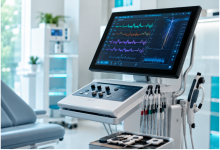
Myositis Diagnosis and Treatment for Muscle Weakness
Specialist care for diagnosed or suspected myositis, including progressive muscle weakness, fatigue, falls, swallowing difficulty, and skin changes.
Myositis Weakness Can Be Mistaken for Normal Fatigue
Myositis may gradually weaken muscles used for standing, climbing, lifting, swallowing, or breathing.
Common symptoms may include:
- Difficulty rising from a chair
- Trouble climbing stairs
- Weakness lifting the arms overhead
- Frequent tripping or falling
- Muscle fatigue or aching
- Difficulty swallowing
- Skin rash with dermatomyositis
Progressive muscle weakness deserves a closer evaluation.
Myositis Care Guided by Neuromuscular Expertise
Dr. Samir P. Macwan is ABPN Board Certified in both Neurology and Neuromuscular Medicine. He has practiced Neuromuscular Medicine in the Greater Palm Springs area for 15 years and has been involved in research of Inflammatory Myositis.
Why this matters for myositis patients:
- Myositis includes several distinct inflammatory muscle disorders
- Weakness may resemble nerve, metabolic, or inherited conditions
- Diagnosis often requires targeted blood, electrical, and tissue testing
- Treatment depends on myositis type, severity, and organ involvement
Testing Helps Identify the Type of Muscle Inflammation
Myositis evaluation may include a neurologic examination, strength testing, muscle enzyme blood tests, antibody testing, EMG, muscle imaging, and muscle or skin biopsy when needed. Treatment may include corticosteroids, other immune therapies, IVIG, rehabilitation, assistive support, or clinical trial evaluation depending on the myositis type and clinical findings.
Treatment decisions may depend on:
- Pattern and progression of weakness
- Myositis type and antibody results
- Muscle enzyme and EMG findings
- Swallowing, breathing, or lung involvement
- Previous treatment response
- Medical history and treatment tolerance
Inflammatory Myopathy Care Informed by Active Research
Southland Neuromuscular is involved in research-connected care for inflammatory muscle disorders. Dr. Macwan has served as Principal Investigator for an ongoing clinical trial involving adults with active idiopathic inflammatory myopathy.
For eligible patients, care discussions may include corticosteroids, steroid-sparing immune therapies, IVIG, rehabilitation, disease monitoring, or clinical trial evaluation based on diagnosis, myositis type, treatment response, and clinical eligibility.
Know When Myositis Symptoms Need Urgent Care
Breathing, swallowing, or rapidly worsening weakness may require immediate emergency evaluation.

Dr. Samir P. Macwan
MD
Seek urgent help for:
- Trouble breathing
- Severe swallowing difficulty
- Choking or inability to manage saliva
- Rapidly worsening muscle weakness
- Inability to stand or walk safely
- New chest pain or severe breathlessness
- Repeated falls causing injury
Call 911 for Severe Symptoms
Call 911 for breathing, swallowing, choking, or rapidly worsening weakness.
Myositis FAQs
What are the first signs of myositis?
Early myositis symptoms may include difficulty rising from a chair, climbing stairs, lifting the arms, standing for long periods, or walking without fatigue. Some people experience muscle pain, repeated falls, swallowing problems, or a distinctive skin rash. Symptoms often develop gradually and may initially be mistaken for aging or reduced fitness.
What are the different types of myositis?
Myositis includes several inflammatory muscle disorders, such as dermatomyositis, inclusion body myositis, immune-mediated necrotizing myopathy, polymyositis, antisynthetase syndrome, and juvenile myositis. Each type can affect different muscles and may involve the skin, lungs, swallowing muscles, joints, or other organs, so accurate classification matters for treatment planning.
How is myositis diagnosed?
Myositis diagnosis begins with symptom history, a neurological examination, and muscle-strength testing. Evaluation may include creatine kinase and other blood tests, myositis antibodies, EMG, muscle MRI, and muscle or skin biopsy. Additional testing may assess swallowing, breathing, lungs, or other organs when symptoms suggest broader involvement.
What treatments are used for myositis?
Treatment depends on the specific myositis type, symptom severity, organ involvement, and treatment response. Options may include corticosteroids, steroid-sparing immune medications, IVIG, physical or occupational therapy, exercise planning, assistive devices, and clinical trial evaluation. Inclusion body myositis often requires a different approach because it may not respond like other inflammatory myopathies.
Can myositis affect swallowing or breathing?
Yes. Myositis can weaken muscles involved in swallowing and breathing, and some inflammatory myopathies may also affect the lungs. Trouble swallowing, choking, unexplained shortness of breath, or rapidly worsening weakness requires prompt medical attention. Severe breathing or swallowing symptoms should be treated as an emergency.
Can muscle strength improve with myositis treatment?
Many patients with inflammatory myositis can improve with appropriate treatment, rehabilitation, and monitoring, but response varies by disease type and severity. Some forms respond to immune therapy, while inclusion body myositis usually progresses differently. Recovery may also depend on treatment timing, muscle damage, swallowing or lung involvement, and overall health.