

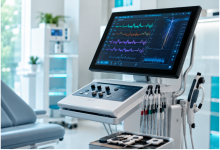
EMG/NCS Testing for Nerve and Muscle Symptoms
Specialist testing for weakness, numbness, tingling, nerve pain, cramping, twitching, or suspected nerve and muscle disorders.
Weakness, Numbness, and Tingling May Need EMG/NCS Testing
EMG/NCS testing evaluates how nerves and muscles work and may help identify where persistent symptoms are coming from.
Common reasons for testing may include:
- Muscle weakness
- Numbness or tingling
- Burning or shooting nerve pain
- Muscle cramping or twitching
- Hand weakness or dropping objects
- Foot weakness or difficulty walking
- Suspected neuropathy or nerve compression
When symptoms persist or progress, testing may clarify the next step.
EMG/NCS Testing Led by a Neuromuscular Specialist
Dr. Samir P. Macwan is ABPN Board Certified in both Neurology and Neuromuscular Medicine. He has practiced Neuromuscular Medicine in the Greater Palm Springs area for 15 years and evaluates complex nerve, muscle, neuropathy, and neuromuscular concerns.
Why this matters for EMG/NCS patients:
- Results must be interpreted with symptoms and examination findings
- Similar symptoms can arise from nerves, muscles, roots, or junctions
- Testing should match the body area and suspected condition
- Clinical experience helps connect findings with appropriate next steps
Testing and Interpretation Built Around Your Symptoms
Nerve conduction studies use surface electrodes and brief electrical stimulation to measure signals through selected nerves. Needle EMG records electrical activity within selected muscles. Together, they may help evaluate neuropathy, nerve compression, radiculopathy, muscle disease, motor nerve disorders, or neuromuscular junction problems.
Your EMG/NCS study may depend on:
- Location and pattern of symptoms
- Duration and progression of weakness
- Areas of numbness or pain
- Neurologic examination findings
- Prior imaging or laboratory results
- Medical history and implanted devices
Diagnostic Care Backed by Neuromuscular Experience
Southland Neuromuscular uses EMG/NCS as part of diagnosis-first care for complex nerve and muscle symptoms. Testing is selected according to the clinical question rather than using the same study for every patient.
Results may guide further testing, treatment, therapy, imaging, referral, or follow-up. An abnormal result may not establish the complete diagnosis, and a normal study may not exclude small fiber neuropathy.
Know When Weakness or Numbness Needs Urgent Care
Sudden weakness, facial drooping, speech changes, severe balance problems, or breathing difficulty should not wait for routine EMG/NCS testing.

Dr. Samir P. Macwan
MD
Seek urgent help for:
- Sudden one-sided weakness
- New facial drooping
- Trouble speaking
- Severe difficulty walking
- Loss of bladder or bowel control
- Rapidly worsening limb weakness
- Breathing or swallowing difficulty
Call 911 for Severe Symptoms
Call 911 for sudden weakness, facial drooping, speech difficulty, breathing trouble, or rapidly worsening weakness.
EMG/NCS FAQs
What does an EMG/NCS test diagnose?
EMG/NCS testing may help identify nerve, muscle, nerve-root, motor neuron, or neuromuscular junction problems. It is commonly used for weakness, numbness, tingling, pain, cramping, or twitching. Results are interpreted with the neurologic examination, medical history, and other testing before a diagnosis is finalized.
What is the difference between EMG and NCS?
A nerve conduction study measures how electrical signals travel through selected nerves using electrodes placed on the skin. Needle EMG records electrical activity within selected muscles using a small needle electrode. The tests are often performed together because they examine different parts of the nerve-and-muscle system.
Is EMG/NCS testing painful?
Nerve conduction testing produces brief electrical pulses that may feel like quick shocks or tingling. Needle EMG may cause temporary discomfort when the electrode enters a muscle. Most patients complete the test without sedation, although sensitivity and the number of tested areas vary.
How should I prepare for EMG/NCS testing?
Bathe before testing and avoid lotions, creams, or oils because they may interfere with surface electrodes. Wear comfortable clothing and tell the office about blood thinners, bleeding conditions, pacemakers, implanted defibrillators, or other electrical medical devices before the study.
How long does an EMG/NCS test take?
The appointment length depends on the symptoms, body areas examined, and number of nerves or muscles tested. Many studies take approximately 30 to 60 minutes, although some may be shorter or longer. Testing is tailored to the specific diagnostic question.
What happens after EMG/NCS results are reviewed?
Results are interpreted with symptoms, medical history, and examination findings. Next steps may include laboratory testing, imaging, medication changes, physical or occupational therapy, further neurologic evaluation, or monitoring. Some conditions may still require additional testing when EMG/NCS results are normal.