

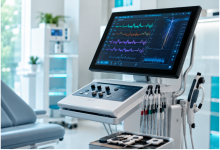
ALS Evaluation and Neuromuscular Care
Specialist evaluation for diagnosed or suspected ALS, including progressive weakness, muscle twitching, stiffness, speech changes, swallowing difficulty, and breathing concerns.
ALS Symptoms Often Begin Gradually in One Area
ALS affects motor nerve cells, causing progressive weakness that may spread to additional muscles over time.
Common symptoms may include:
- Hand weakness or frequently dropping objects
- Tripping, stumbling, or foot drop
- Muscle twitching or cramping
- Muscle stiffness or reduced coordination
- Slurred or slowed speech
- Difficulty chewing or swallowing
- Shortness of breath or weak coughing
Progressive, painless weakness deserves specialist evaluation.
ALS Care Guided by Neuromuscular Expertise
Dr. Samir P. Macwan is ABPN Board Certified in both Neurology and Neuromuscular Medicine. He has practiced Neuromuscular Medicine in the Greater Palm Springs area for 15 years and evaluates complex motor nerve, muscle, and progressive weakness concerns.
Why this matters for ALS patients:
- ALS symptoms may resemble other treatable neuromuscular conditions
- Weakness patterns can differ between patients and disease stages
- Diagnosis requires examination, EMG/NCS, and exclusion of other causes
- Care planning should address mobility, speech, swallowing, and breathing
Testing and Care Planning Based on Disease Progression
ALS evaluation may include a neurologic examination, EMG/NCS, blood and urine tests, MRI, breathing assessment, and genetic testing when appropriate. Care may include disease-modifying medication, symptom management, respiratory support, nutrition planning, physical or occupational therapy, communication support, and assistive equipment.
Care decisions may depend on:
- Pattern and progression of muscle weakness
- Upper and lower motor nerve findings
- Speech or swallowing involvement
- Breathing strength and cough effectiveness
- Mobility and daily support needs
- Medical history and genetic findings
ALS Care Focused on Function and Daily Support
ALS care requires more than monitoring muscle weakness. Treatment planning may address mobility, communication, nutrition, breathing, muscle stiffness, cramps, saliva control, emotional health, and caregiver needs as symptoms change.
Care discussions may include ALS medications, noninvasive breathing support, physical and occupational therapy, speech or communication devices, nutritional support, mobility equipment, and coordination with additional specialists when appropriate.
Know When ALS Symptoms Need Urgent Care
Severe breathing, swallowing, choking, or secretion-related problems may require immediate emergency care.

Dr. Samir P. Macwan
MD
Seek urgent help for:
- Severe or sudden breathing difficulty
- Choking or inability to swallow safely
- Inability to clear saliva or secretions
- Blue or gray lips and fingertips
- Sudden inability to speak or respond
- Rapid loss of walking or standing ability
- Confusion, fainting, or extreme drowsiness
Call 911 for Severe Symptoms
Call 911 for severe breathing, choking, or inability to clear secretions.
ALS FAQs
What are the first signs of ALS?
Early ALS symptoms commonly include gradual, usually painless weakness in one hand, arm, leg, or the muscles controlling speech and swallowing. A person may begin dropping objects, tripping, developing foot drop, experiencing muscle twitching or cramps, or noticing slurred speech. Symptoms generally become more persistent and spread over time.
How is ALS diagnosed?
ALS is diagnosed through symptom history, neurological examination, and testing that helps identify motor nerve changes while excluding other conditions. Evaluation commonly includes EMG/NCS, blood and urine testing, and MRI. Respiratory testing or genetic testing may also be considered. No single test independently confirms every case of ALS.
Can ALS cause numbness or tingling?
ALS primarily affects motor nerve cells responsible for voluntary muscle movement. Significant numbness, tingling, or sensory loss is not usually the main pattern and may suggest neuropathy, spinal disease, or another condition. Because weakness can have many causes, these symptoms require a careful neurological examination and targeted diagnostic testing.
What treatments are used for ALS?
ALS treatment may include disease-modifying medications such as riluzole or edaravone, with gene-targeted treatment available for certain eligible patients. Care may also include respiratory support, nutrition planning, physical and occupational therapy, communication assistance, mobility equipment, and medications for cramps, stiffness, saliva, mood, sleep, or other symptoms.
Can ALS affect speech, swallowing, or breathing?
Yes. ALS can weaken muscles used for speaking, chewing, swallowing, coughing, and breathing. Speech may become slower or less clear, and swallowing problems can increase choking or nutrition risks. Breathing weakness may first appear during activity, while lying down, or during sleep. Severe breathing or swallowing problems require urgent medical attention.
Can ALS progression be slowed with treatment?
There is currently no cure that reverses ALS, but approved treatments may slow functional decline or disease progression for some patients. Respiratory support, nutrition care, rehabilitation, communication tools, and symptom management may also help maintain independence, comfort, and quality of life. Individual response depends on disease pattern, timing, genetics, and overall health.